
Old film photographs
Prints made from film, aged negatives, and frames that have lost sharpness or surface clarity over time.
Photo restoration in New York
Next Photo I.V.A restores old film photographs, damaged prints, faded images, and other aging family photographs in New York. Work begins with a digital copy of the original photograph or film image and returns a restored digital file.
What we restore
Family albums, envelopes of negatives, and prints that have been handled, stored, or exposed to time can still hold a useful image. Restoration work focuses on what remains in that source.
Prints made from film, aged negatives, and frames that have lost sharpness or surface clarity over time.
Photographs with tears, scratches, creases, worn edges, or areas where the paper itself has broken down.
Images that have lost contrast, yellowed, shifted in color, or grown faint in the highlights and shadows.
Prints marked by spots, water trails, tide lines, surface dirt, or discoloration across part of the photograph.
Core services
Each request is reviewed against the condition of the source image. The service pages describe typical problems, what can often be improved, and where restoration has limits.
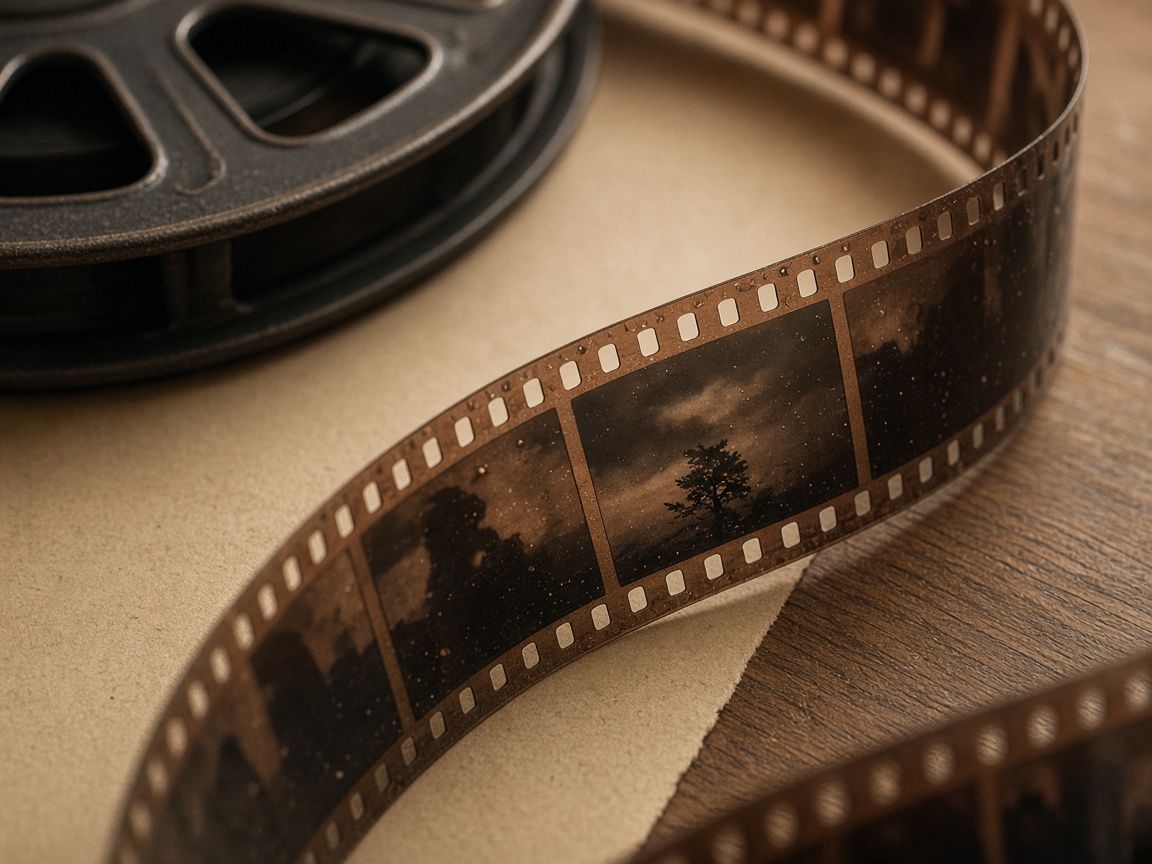
Work with aged film prints and negatives where detail, grain, and the original photographic character still matter.
View film restoration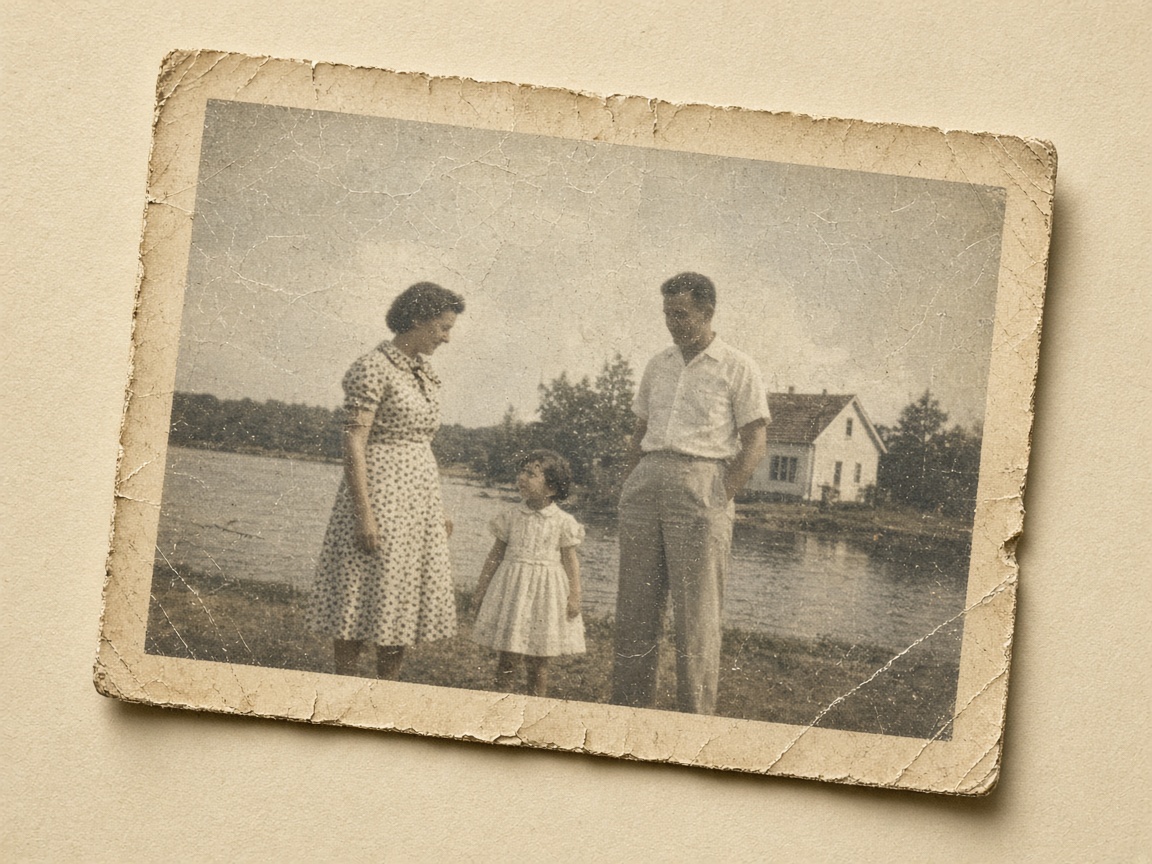
Digital repair of tears, scratches, creases, worn edges, and missing pieces where enough of the image remains.
View damage restoration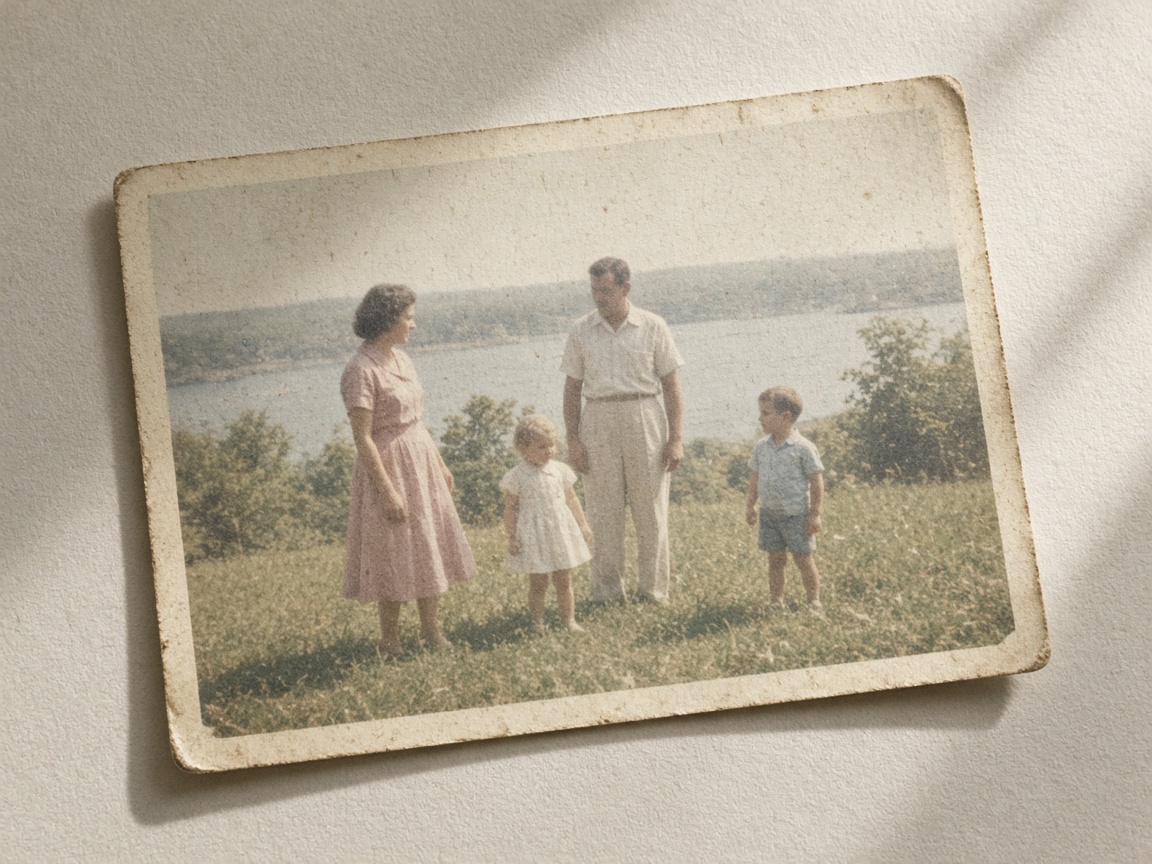
Recover contrast, reduce yellowing, and steady color shifts in photographs that have lightened with age.
View fade restoration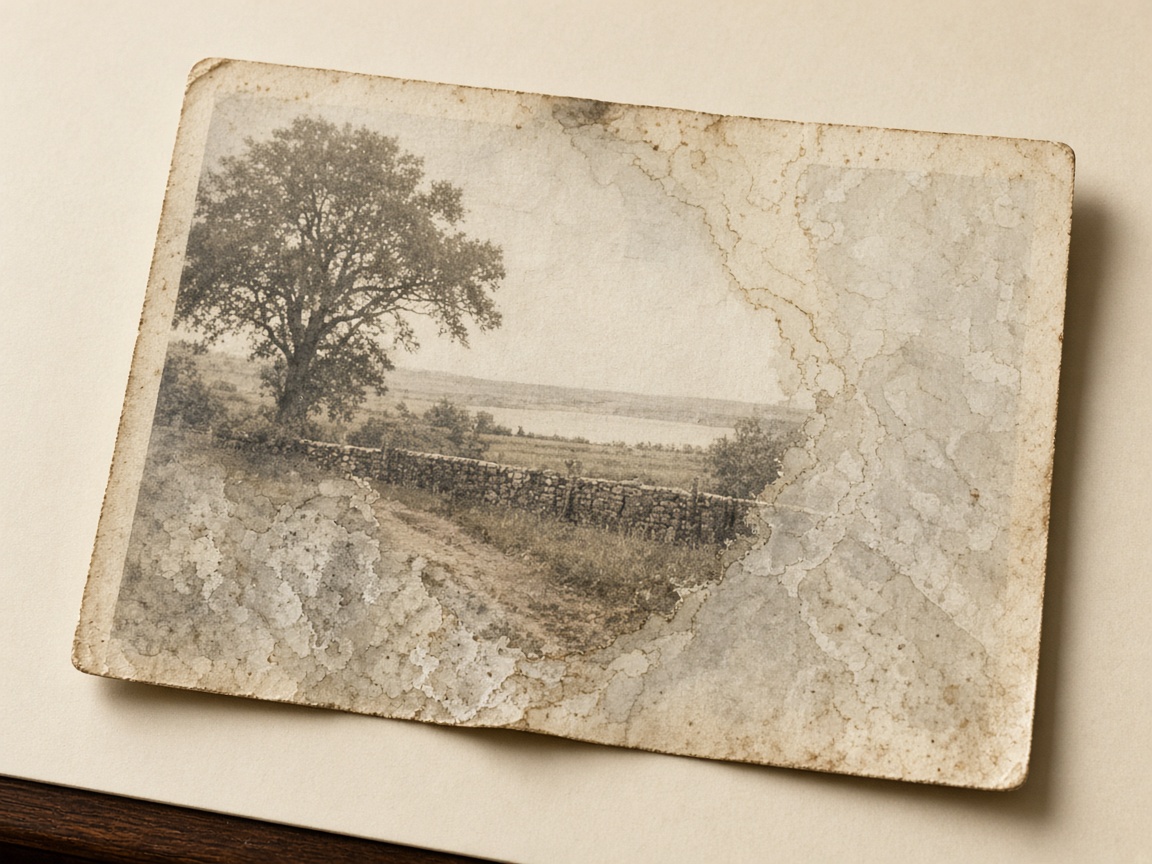
Reduce stains, water marks, and localized discoloration without inventing a scene the photograph never held.
View stain repairTypes of damage
These are common conditions seen in old prints and film images. How far each one can be improved depends on the photograph in front of us.
Splits in the print that interrupt faces, clothing, or background detail.
Fine lines from handling, sleeves, scanners, or worn film surfaces.
Fold lines that leave a lasting ridge, crack, or loss of emulsion.
Lightened tones, weak blacks, and colors that have drifted with age.
Spots and patches from adhesives, foxing, dirt, or chemical residue.
Tide lines, blooms, and irregular edges left after moisture reached the print.
Lost corners, flaked emulsion, or holes where the original image is gone.
Yellowing, magenta shifts, or uneven color across skies, skin, and paper.
How it works
Sending a message is the start of a conversation about the photograph. It does not open a project on its own.
Use the form, phone, or email to describe the photograph and the kind of restoration you have in mind.
The type and degree of damage are assessed from the information and images you are able to share.
Work is carried out on a digital copy of the photograph or an image made from film — not on the paper original.
Once the agreed work is complete, the restored photograph is provided as a digital file.
Submitting a request does not confirm a project, price, turnaround time, or availability. Read the full process.
Additional photo services
These services can accompany restoration when they are a natural part of the request. They do not have separate landing pages.
Before / after studies
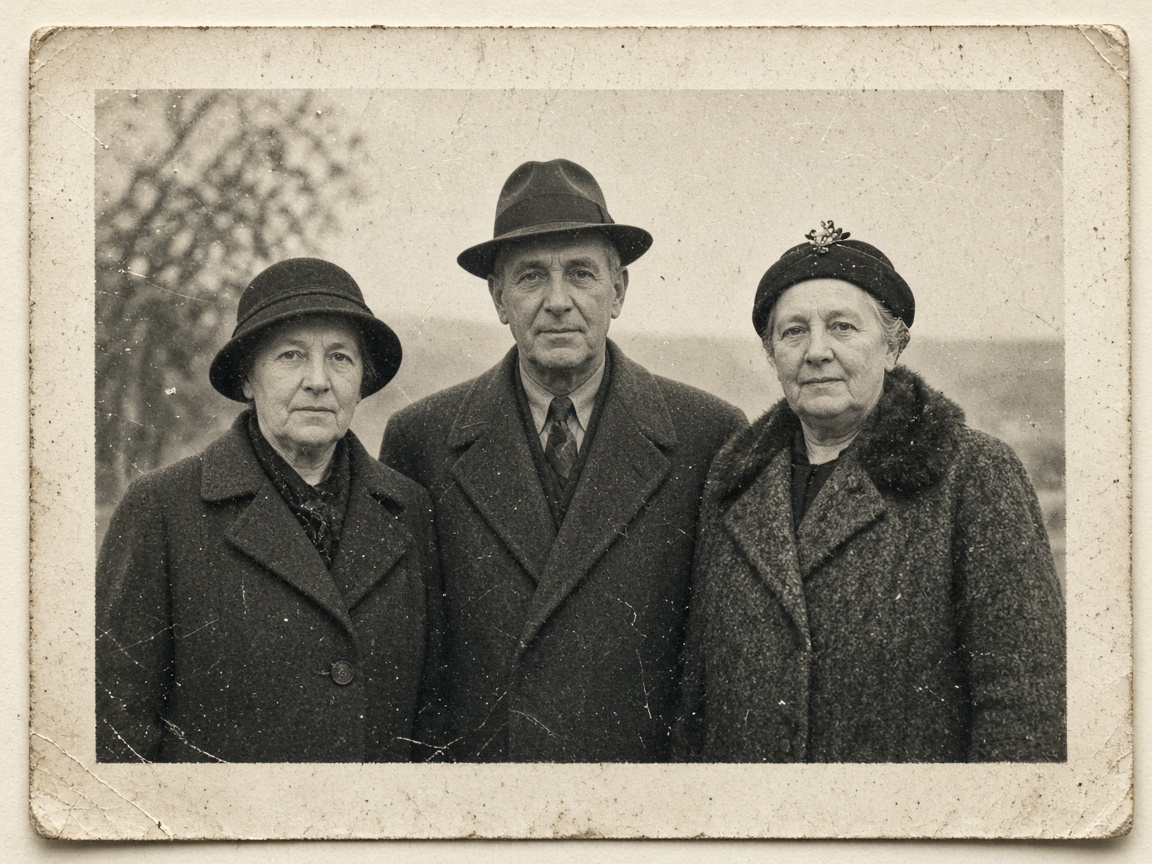
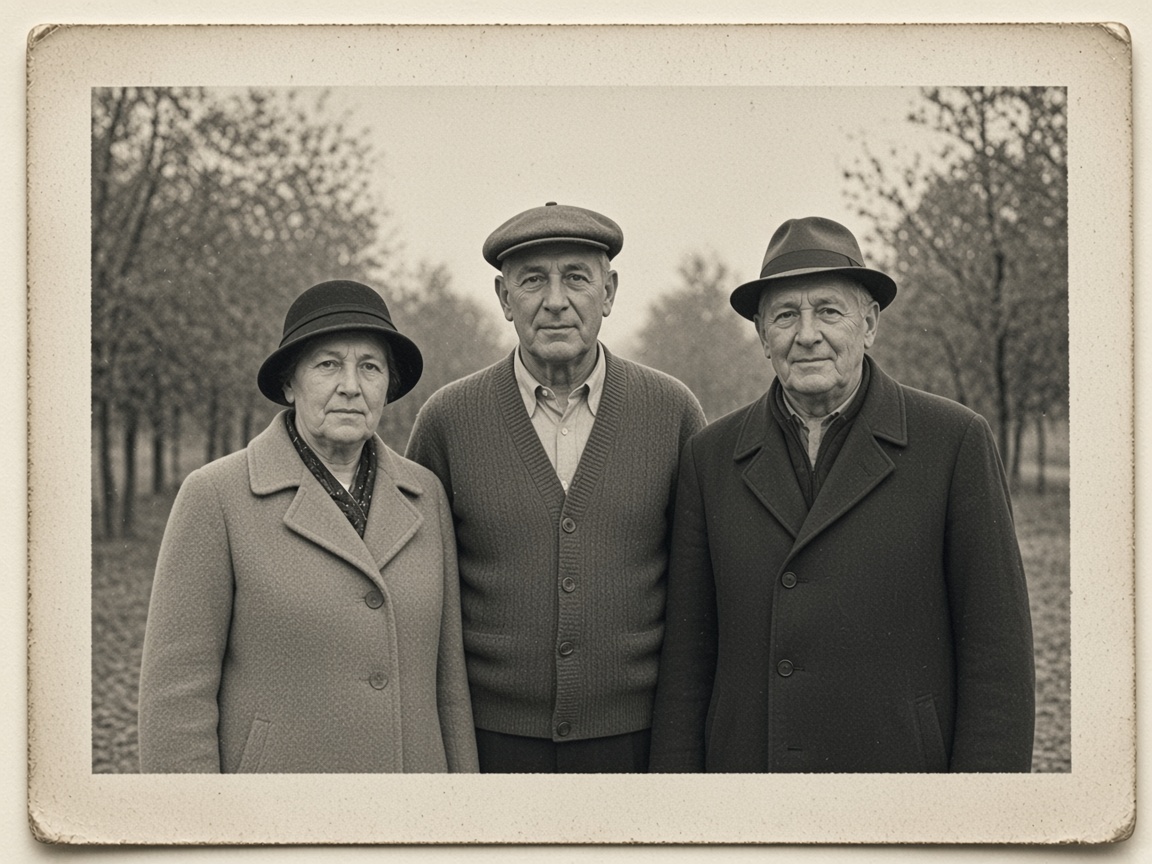
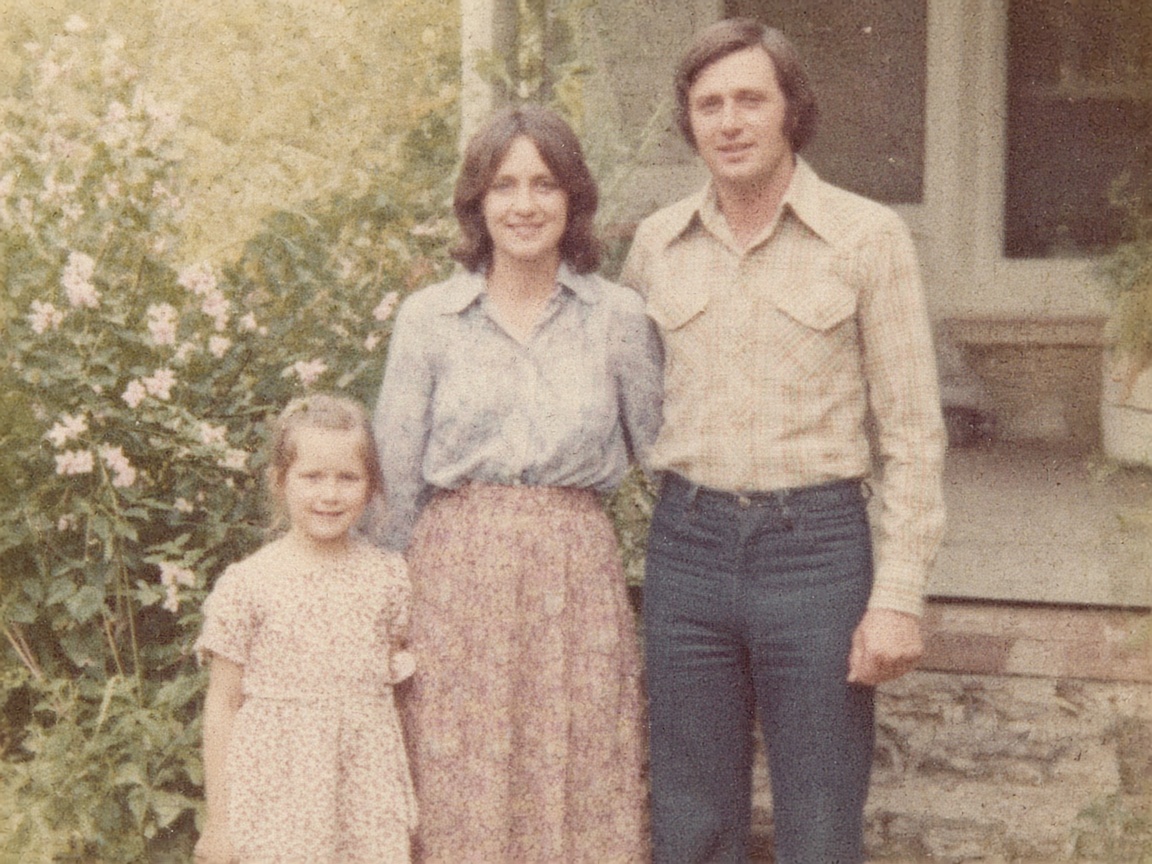
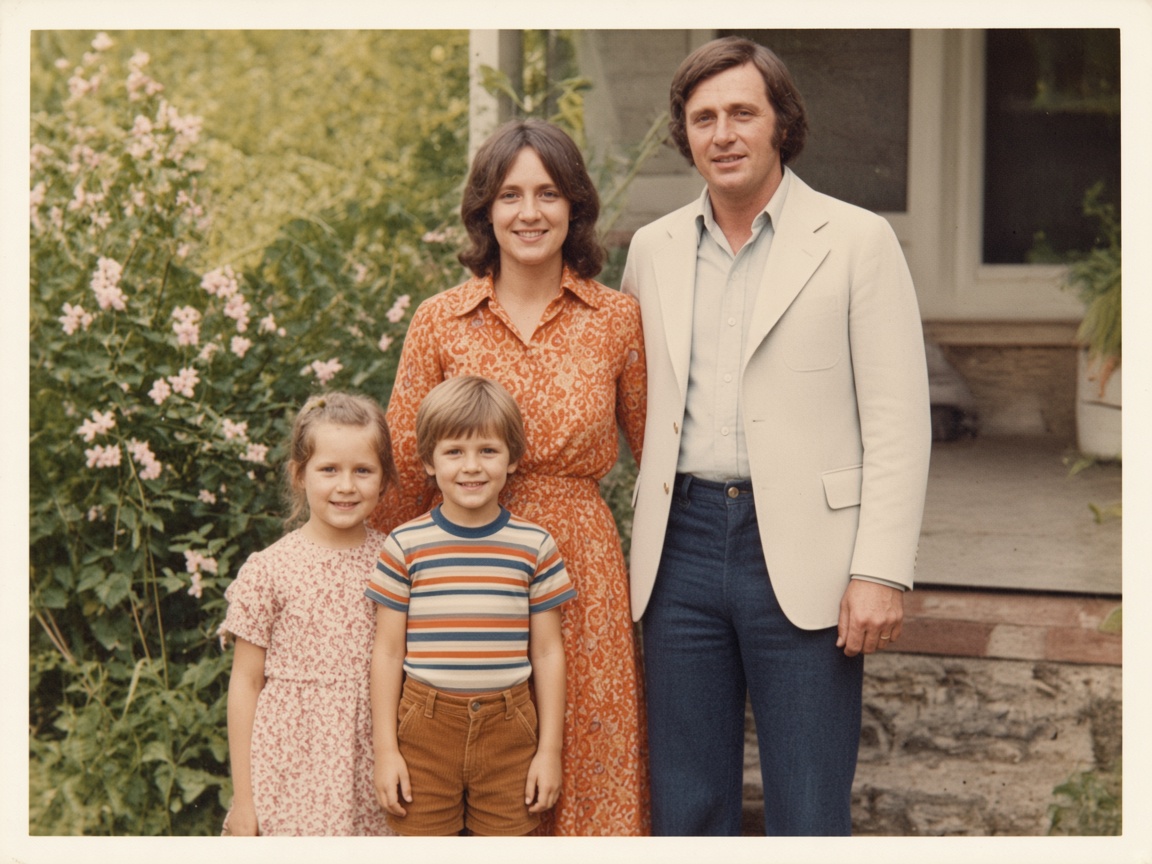
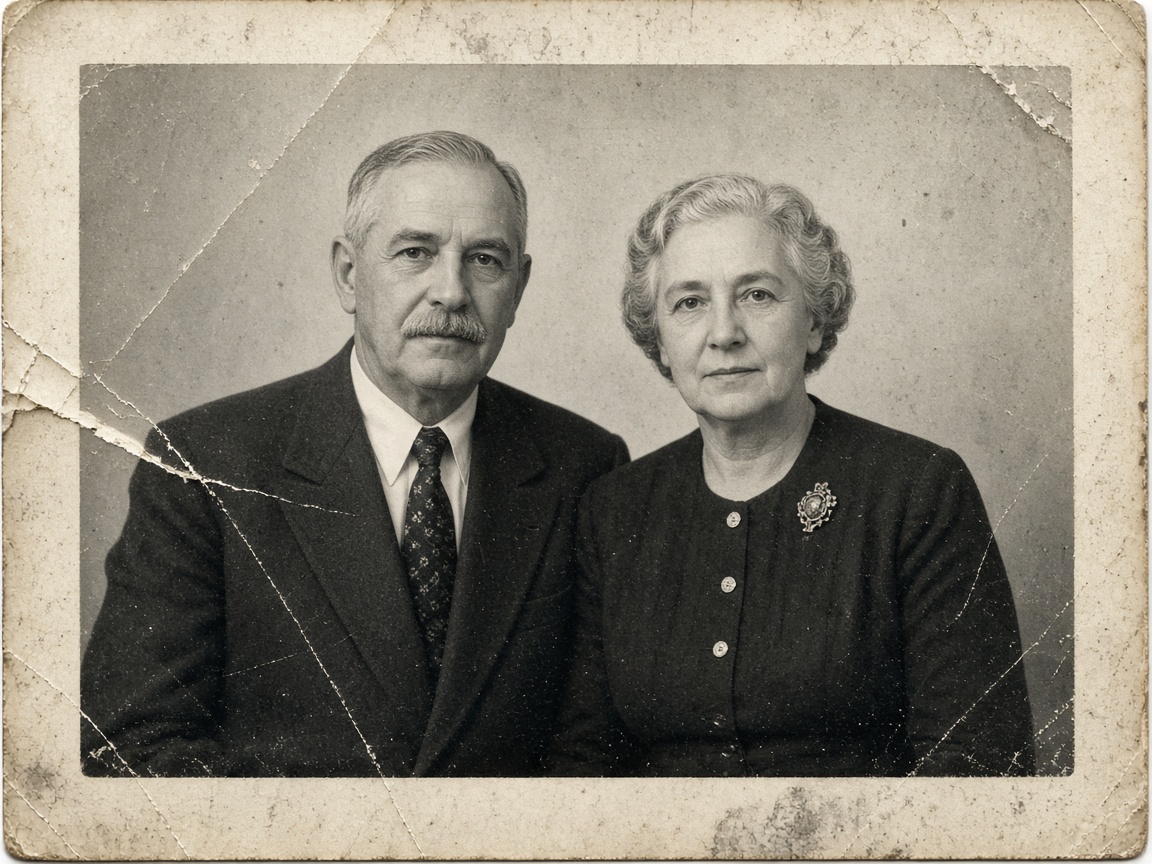
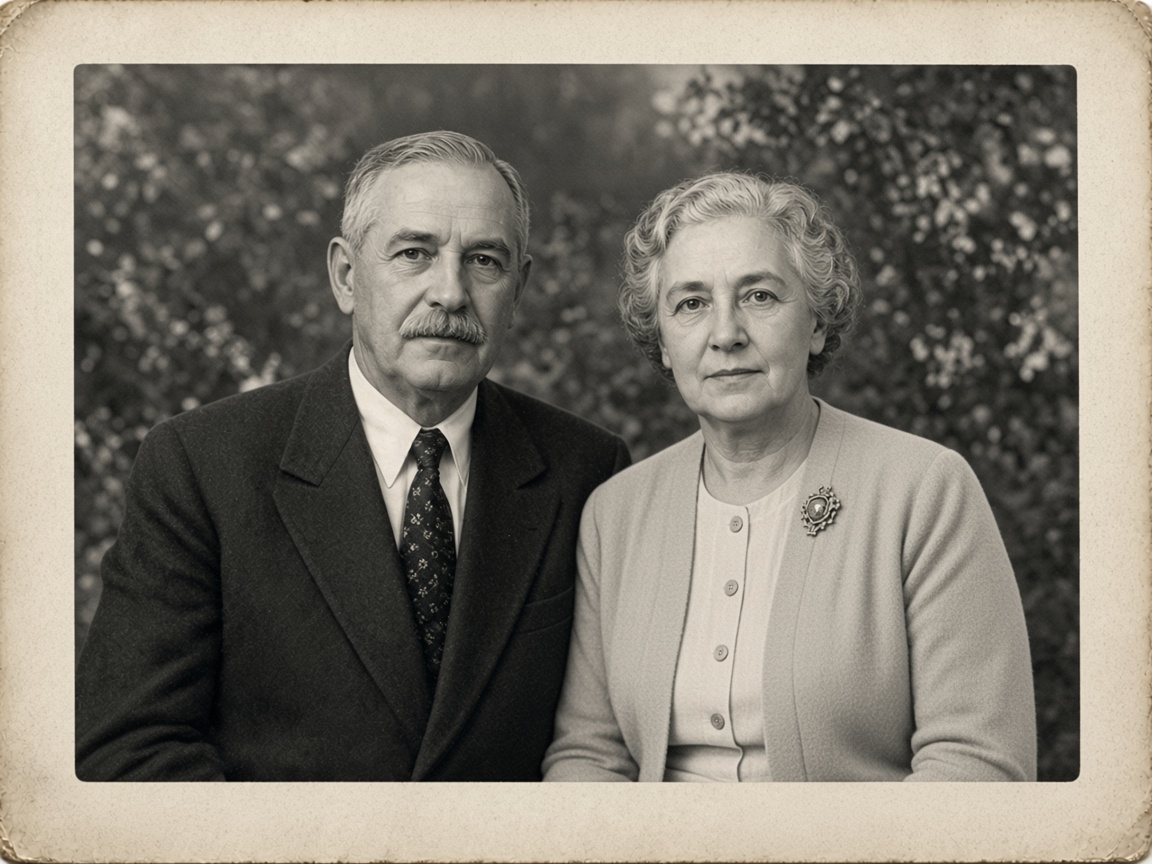
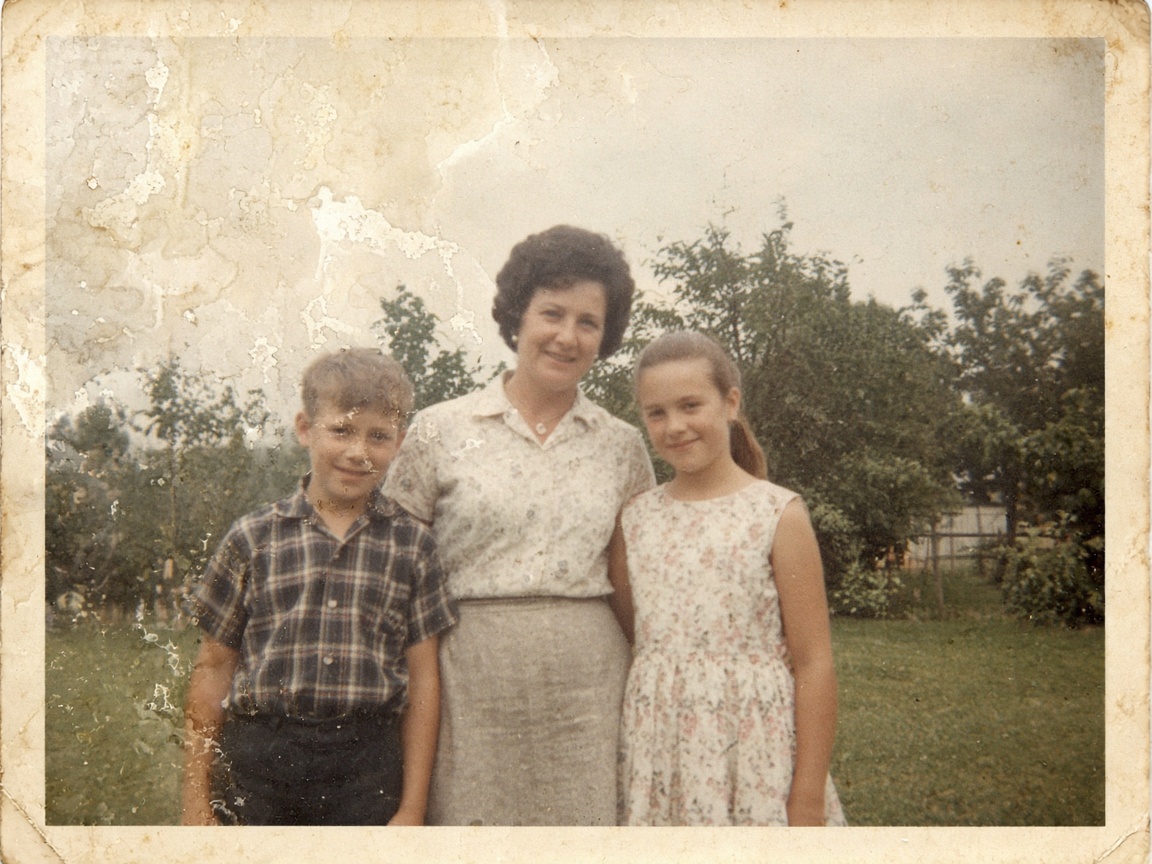
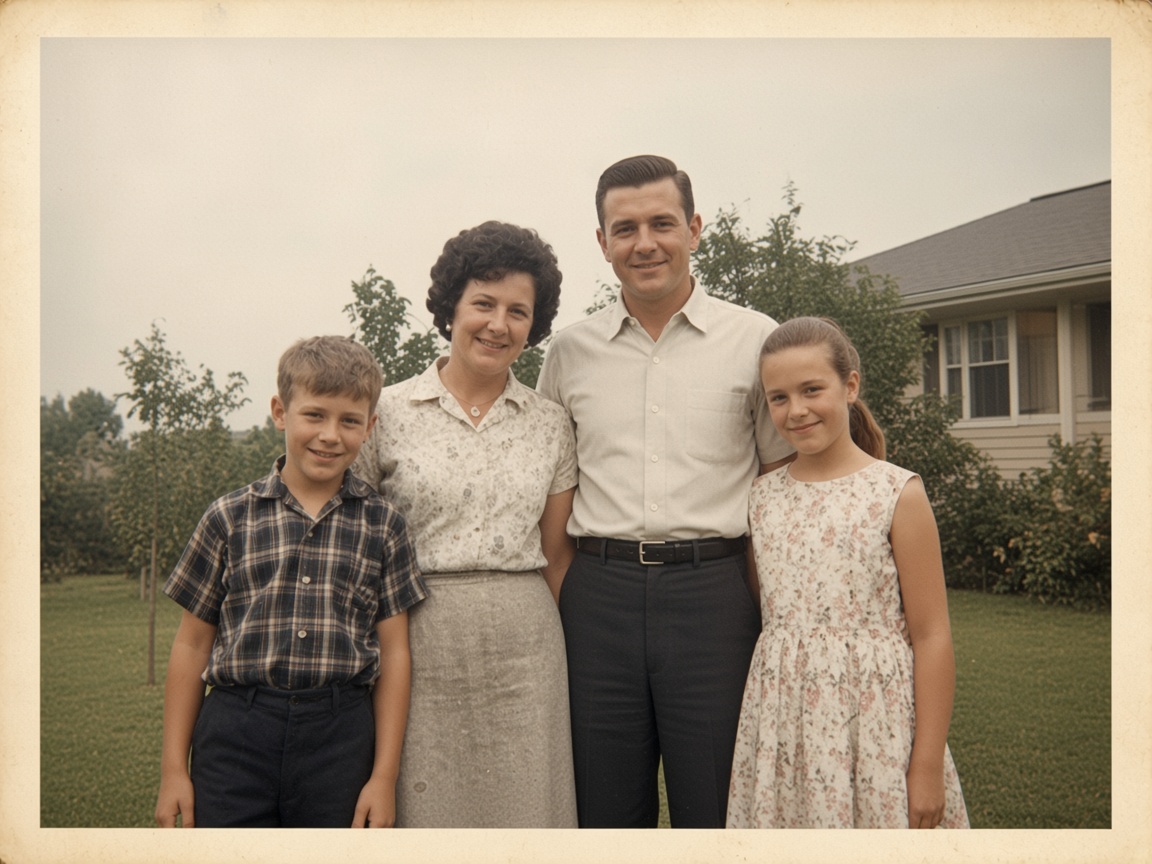
The compositions below are visual studies of fading, tears, and stain patterns. They show the kinds of damage restoration work addresses. Client photographs are reviewed privately and are not displayed here.
New York
Next Photo I.V.A is based at 41 W 22nd St in New York. Requests can be sent through the website, by phone, or by email. Arrangements for sharing photographs are discussed after a request is reviewed.
Questions
No. Results depend on the amount and quality of visual information that remains in the source image. Some damage can be reduced; some missing areas can only be suggested, not recovered.
No. Restoration is digital. The paper print or film original stays as it is unless you later arrange a separate scanning or digitization step.
No. A request is a message for review. A project begins only after the photograph has been considered and the work has been agreed.
Start a review
Describe the condition of the image, the service you have in mind, and how we can reach you. A request is reviewed before any restoration work is scheduled.